
Pricing a Westfield home is not about choosing the highest number—it is about positioning the property where qualified buyers can recognize its value and act with confidence. The right launch price reflects current competition, recent sales, condition, and the details that make a home distinct. A thoughtful strategy can create stronger early attention without sacrificing the seller’s larger goals.
Start With Today’s Market, Not Yesterday’s Headline
Setting an asking price can feel personal, especially after years of updates, memories, and careful maintenance. Buyers, however, arrive with a different lens: they compare available homes, recent closed sales, square footage, condition, layout, lot characteristics, and the overall cost of ownership. A strong pricing plan for a home in Westfield, New Jersey, begins by separating sentimental value from the evidence buyers and appraisers are most likely to use.
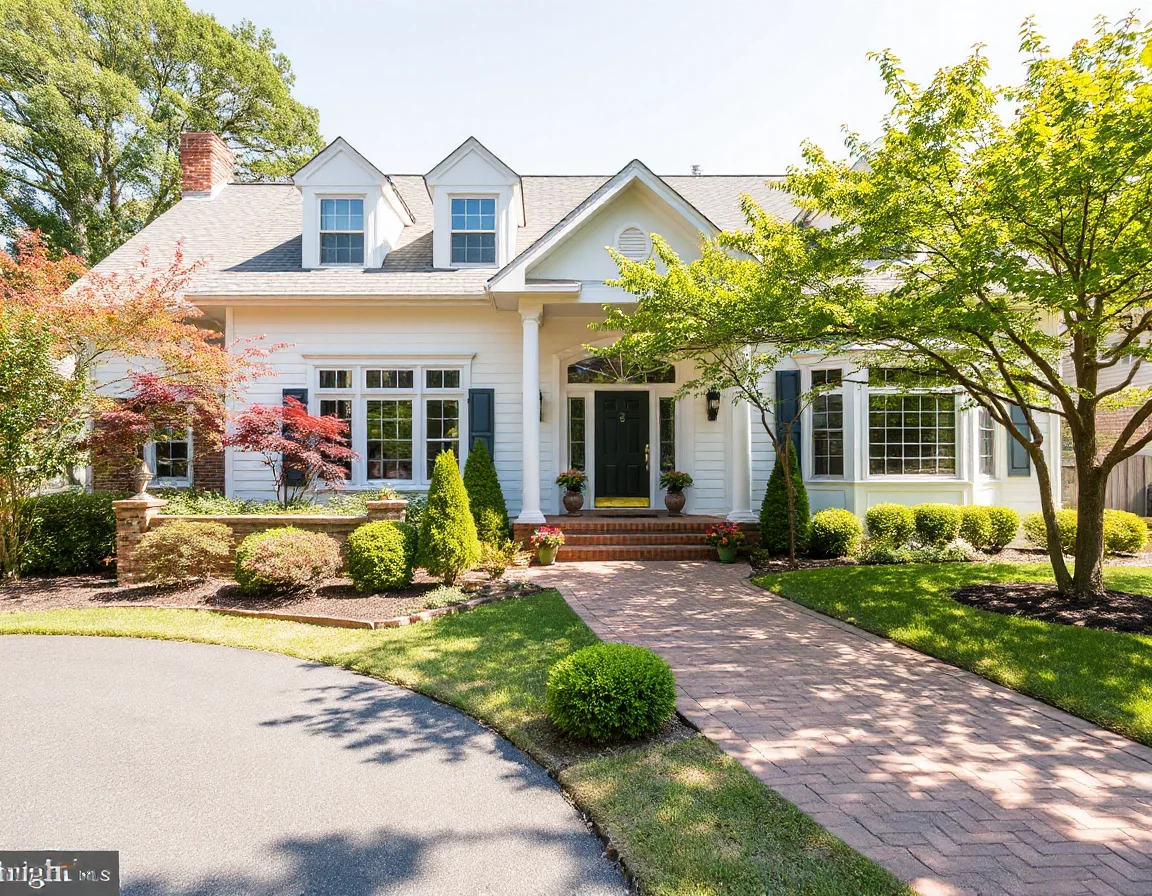
Recent closed sales are the foundation, but they are only the beginning. A sale from several months ago may have occurred under different inventory levels, borrowing costs, buyer activity, or seasonal conditions. The most useful comparisons are homes that closely resemble yours in location, style, size, age, lot, bedroom and bathroom count, and finish level. Even then, adjustments matter. A renovated kitchen, finished lower level, updated systems, outdoor living space, or flexible work area may influence how buyers compare one property with another.
Active listings are equally important because they represent the alternatives buyers can tour right now. If similar homes have been available for an extended period, that does not automatically mean your home should be priced below them. It does mean a seller should understand how the listing will look beside those options online and in person. Pricing is a positioning decision: the goal is to make the home feel credible, competitive, and worth scheduling quickly.
The first days on the market often bring the broadest concentration of attention. A price that aligns with current choices can encourage early showings and more meaningful feedback before a listing begins to feel familiar.
It is also useful to distinguish between a price range and a precise price. Buyers frequently search in defined brackets, so the number selected can affect which search results include the home. A well-considered list price should account for those search habits while remaining supported by comparable evidence. The best strategy is rarely a guess; it is a clear case for value built from current local information.
Identify the Features That Deserve a Pricing Adjustment
No two Westfield properties present exactly the same way, even when they share a similar floor plan. Before deciding on a list price, take inventory of the features a buyer will see, use, and potentially budget for after closing. This includes obvious upgrades as well as less visible improvements such as roofing, HVAC equipment, windows, electrical work, drainage, insulation, or a generator. Documentation for major projects can be especially helpful when explaining condition and care.
A seller should also consider the home’s functional story. Is the entry welcoming? Does the kitchen connect naturally to living space? Are bedrooms comfortably proportioned? Is there storage, a finished area, or an outdoor setting that expands daily use? These are not simply marketing details. They help determine whether the home competes with a higher, lower, or differently positioned group of listings.
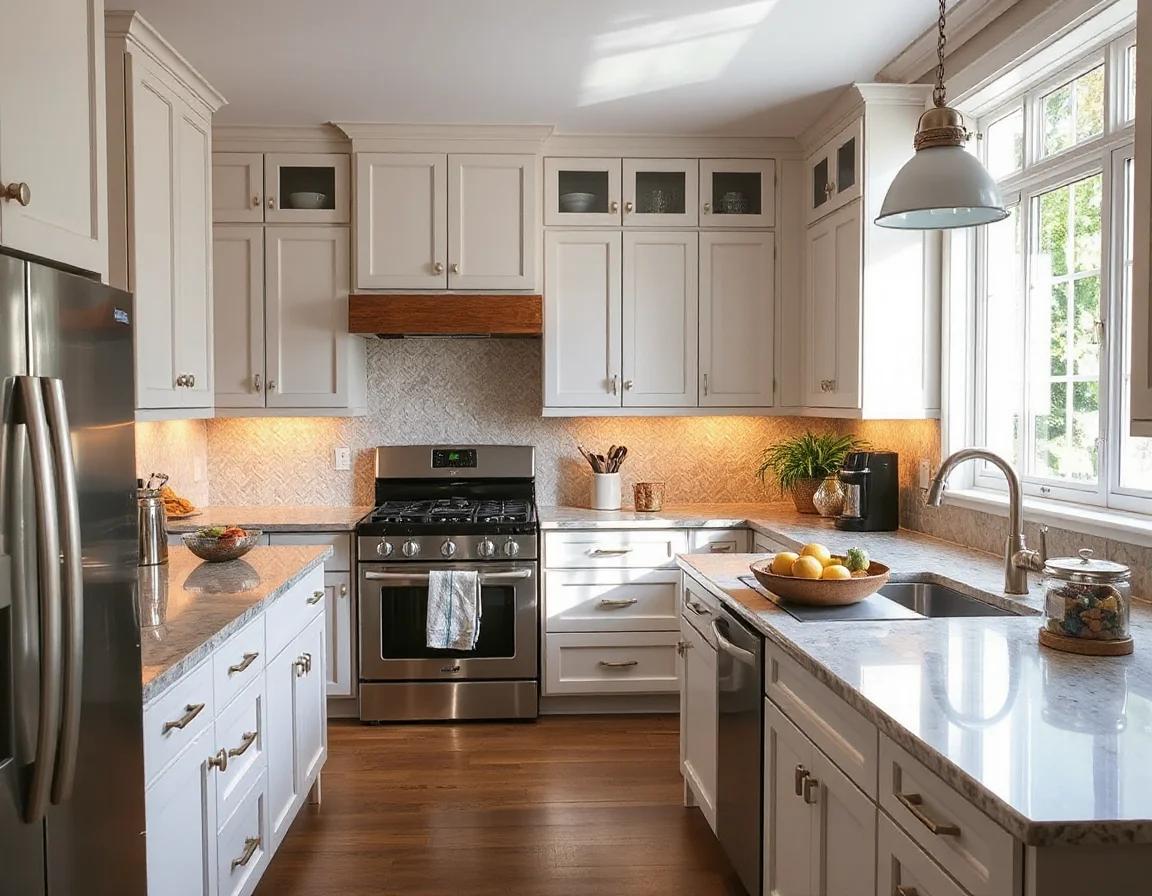
Condition is often where pricing conversations become most important. A home with an updated, move-in-ready presentation may draw comparison to a different set of properties than one needing cosmetic or capital improvements. That does not mean every project must be completed before listing. It means the price, preparation plan, and marketing should be aligned. Sometimes a focused refresh—paint, lighting, landscaping, decluttering, or professional cleaning—can improve the first impression more efficiently than a large renovation undertaken solely for a sale.
Luxury details and new construction-style finishes require careful comparison as well. Premium materials, thoughtful design, and newer systems can support a stronger position, but buyers will still weigh them against the full market. The objective is not to “add up” every dollar spent on improvements. It is to understand how the finished result changes the home’s appeal relative to available alternatives.
Buyers respond to a consistent value story: condition, presentation, location, and price should all point in the same direction from the first online photo through the final showing.
For a property with specialized features, a custom layout, or a distinctive setting, broad averages can be misleading. A tailored comparative market analysis can reveal which characteristics truly have nearby market support and which should be presented as added appeal rather than assumed dollar-for-dollar value.
Request a personalized Westfield pricing consultation
Prepare for the Appraisal and the Negotiation
A strong offer is about more than the purchase price. Financing terms, contingencies, requested timelines, inspection expectations, and the buyer’s overall readiness can all affect the certainty and net result of a transaction. Pricing the home appropriately from the outset can help attract offers that are not only compelling on paper but also workable through appraisal, inspection, and closing.
Appraisals are especially relevant when a buyer is using financing. An appraiser typically considers recent comparable sales, market conditions, site characteristics, and the property’s observable condition. A list price does not determine appraised value, but a pricing strategy grounded in documented comparisons gives a seller a more practical starting point. Keeping a concise record of renovations, permits where applicable, dates of improvements, and notable features can help communicate the home’s condition clearly.
It is wise to decide in advance how you will evaluate an offer. Consider the price, earnest money, financing type, appraisal terms, inspection scope, closing date, and any request tied to personal property or repairs. Having those priorities established before an offer arrives can make it easier to respond calmly and consistently when activity increases.
Launch With a Plan and Stay Responsive
Once the price is set, presentation becomes the proof behind it. Professional photography, accurate property details, a polished showing experience, and a marketing plan that reaches active buyers all reinforce the home’s market position. The launch should make it easy for buyers to understand what is being offered and why the property belongs in their consideration set.
Feedback during the first round of showings is valuable data, particularly when similar comments appear more than once. Comments about layout or a fixed location feature may not be actionable, but feedback about condition, presentation, or price can reveal whether the listing is meeting the market where it is. A seller does not need to react to every opinion; the key is to look for consistent patterns and compare them with showing volume, online interest, and competing inventory.
Pricing a Westfield home well is ultimately an exercise in strategy, not pressure. With a current market analysis, candid preparation advice, and a plan for reviewing offers, sellers can move forward with a clearer understanding of both value and options. The right number is the one that supports attention, confidence, and a successful path to closing.

