
Carmel offers a polished mix of recreation, arts, and practical convenience that stands out in the Indianapolis metro. From the Monon Trail and the Arts & Design District to shopping, dining, and newer housing options, the city gives residents a lot to explore in a compact footprint. If you are comparing communities in Central Indiana, Carmel is worth a close look for both day-to-day ease and long-term real estate appeal.
A City Designed for Daily Convenience
Carmel, Indiana has built a reputation around being easy to navigate, active, and consistently well-maintained. Instead of feeling spread out in every direction, many of its most recognizable destinations connect through trails, roundabouts, and thoughtfully planned commercial areas. That design creates a daily rhythm that can feel efficient whether you are heading to a performance, meeting friends for coffee, or running ordinary errands close to home.
One reason Carmel gets attention from home buyers is that the city balances polished development with useful infrastructure. Grocery stores, fitness studios, medical offices, entertainment venues, and parks are woven into everyday life rather than pushed to distant corners. For people relocating from other parts of Indiana or from out of state, that can make the transition smoother because the basics are easy to find while the city still offers distinct personality.
Another part of the appeal is Carmel’s mix of housing choices. Buyers may find established neighborhoods with mature landscaping, low-maintenance townhome communities, luxury properties with custom finishes, and newer construction with current layouts and energy-efficient features. That range gives the market a broader appeal without losing the city’s recognizable sense of order and presentation.
Carmel’s appeal often comes from how many daily needs can be handled within a short drive or trail connection, which can make home location decisions feel more flexible than they first appear.
Trails, Parks, and the Outdoors
The Monon Greenway is one of Carmel’s defining features, and it does more than provide a scenic route for exercise. It acts like a connective thread through the city, linking neighborhoods with gathering places, local businesses, and public spaces. For residents who enjoy walking, running, or cycling, that kind of access can shape how often they get outside and how they experience the community from week to week.

Beyond the Monon, the city offers a network of parks and green spaces that support a variety of routines. Central Park remains a major draw thanks to its large footprint, walking paths, open lawns, and water views, while smaller neighborhood parks add convenience throughout the city. These spaces give Carmel a livable texture; even in a developed suburban setting, there are regular opportunities to step outdoors without planning a long trip.
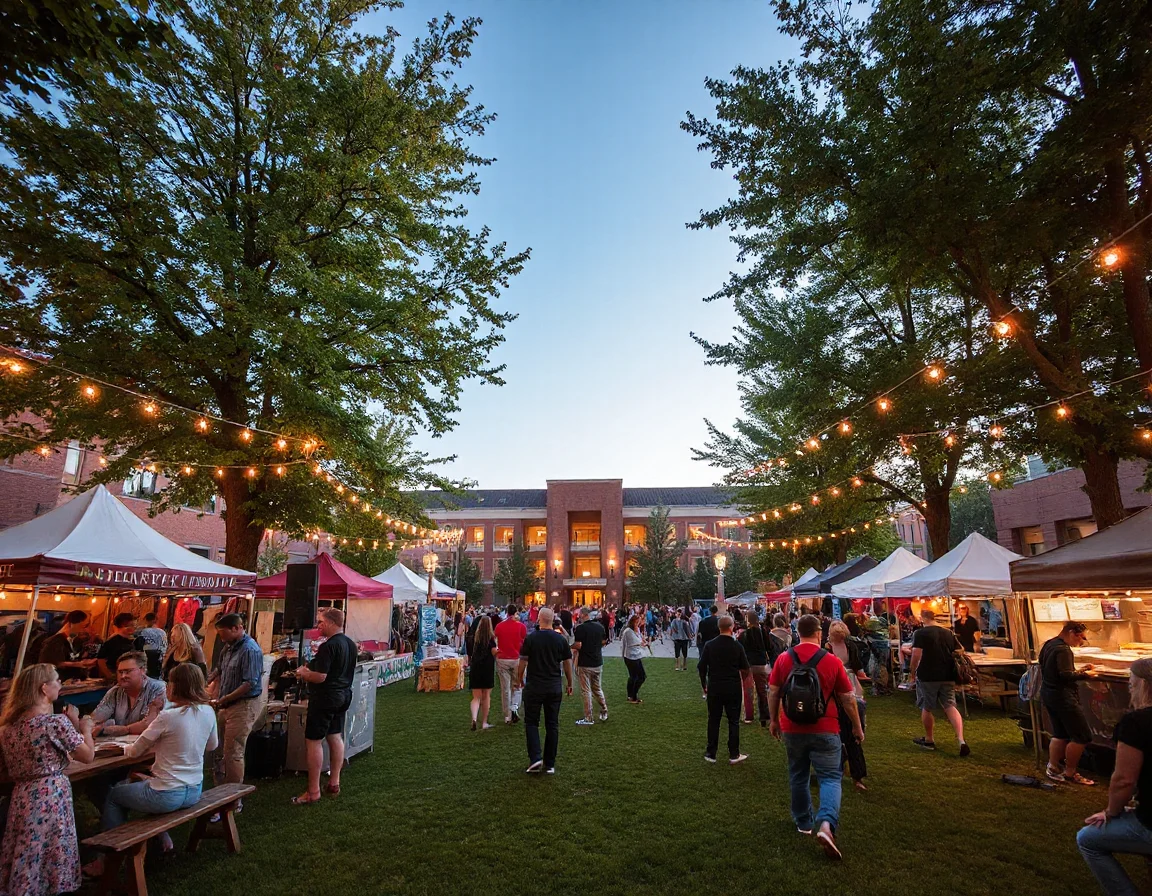
Seasonal events also add life to those public areas. Outdoor performances, community gatherings, and rotating programming help keep parks active beyond simple recreation. That matters in real estate conversations because buyers are often evaluating more than square footage. They are looking at how a place functions on a Tuesday evening, a Saturday morning, or during a change of seasons, and Carmel tends to offer options in each of those moments.
For buyers considering maintenance needs, proximity to trails and parks can also influence what type of property feels right. Some prefer a home with expansive outdoor space of its own, while others prioritize access to nearby public amenities and choose a lower-maintenance property in return. Carmel supports both approaches well.
Arts, Architecture, and Public Spaces with Character
Carmel is not just convenient; it is also intentional about creating places people want to spend time in. The Arts & Design District brings galleries, design-forward spaces, public sculpture, and walkable blocks together in a way that feels distinct within the region. It adds a cultural layer that many suburban communities try to create but do not always achieve with the same consistency.
The strongest location value is not always tied to one landmark. In Carmel, the combination of trails, cultural venues, and polished public spaces often shapes buyer interest more than any single attraction.
That attention to presentation extends to major civic destinations such as The Center for the Performing Arts and surrounding public areas. Architecture, landscaping, and streetscape improvements contribute to a setting that feels curated without becoming inaccessible. For residents, that means there are built-in places to enjoy live performances, visual arts, and community events without leaving the city.
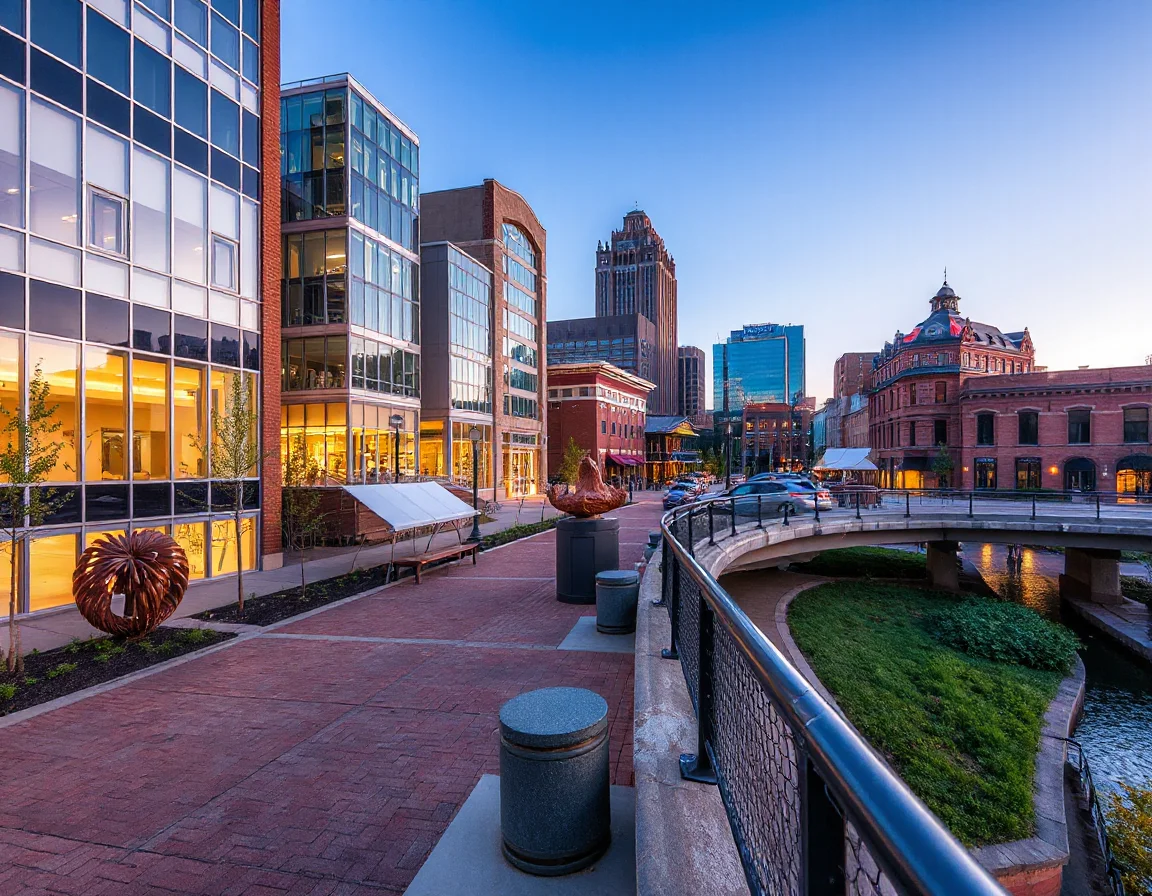
From a home search perspective, those civic investments matter because they help support long-term desirability. Buyers often respond to communities where the public realm feels cared for and where there are clear signs of ongoing planning. Carmel’s visual identity, from landscaped corridors to event-friendly gathering areas, reinforces that impression and contributes to its strong local profile.
It also creates variety across different pockets of the city. Some areas lean more residential and quiet in feel, while others place you closer to trail traffic, arts venues, and commercial activity. That range allows buyers to narrow in on the kind of pace they want without giving up the broader advantages of Carmel as a whole.
Shopping, Dining, and Housing Trends to Watch
Everyday amenities are a major part of Carmel’s draw. The city offers a broad mix of national retailers, local services, specialty food options, and dining destinations that cover quick weekday stops as well as more polished evenings out. For many residents, that means less time driving across the metro for basic needs and more time enjoying nearby conveniences that are integrated into their routine.
Housing activity in Carmel often reflects that sustained demand. New construction remains attractive for buyers who want modern floor plans, updated finishes, and lower initial maintenance needs, while established homes continue to appeal for lot size, mature landscaping, and architectural variety. Luxury properties are also a visible part of the market, especially for buyers prioritizing design detail, privacy, and premium locations within the city.
For those making a relocation move, Carmel can be especially compelling because it offers a relatively turnkey introduction to the Indianapolis area. The city is recognizable, well-served, and easy to explain to someone arriving from another market: strong amenities, visible investment, good connectivity, and a housing stock that spans from streamlined newer options to high-end custom homes.
Talk with Mary Boustani about relocating to Carmel
Ultimately, Carmel stands out because it performs well in both the obvious and less glamorous parts of daily life. The trails are real assets, the arts scene adds texture, and the practical side of living there is just as compelling as the headline attractions. If you are exploring where to buy in Central Indiana, Carmel deserves attention not only for how it looks on paper, but for how comfortably it can support everyday living over time.

